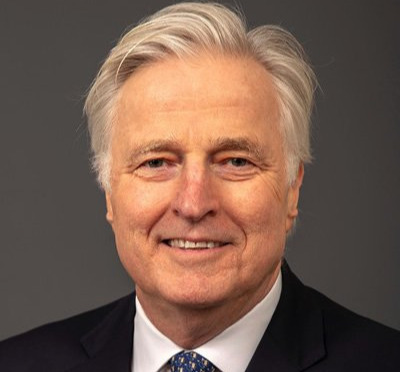
Prof. Lawrence M. Schell
University at Albany, State University of New York, US
TOPIC – Pollution as a factor in human reproduction and evolution
Professor Lawrence M. Schell (Ph.D.) holds the rank of Distinguished Professor at the Department of Epidemiology and Biostatistics and Department of Anthropology at the University at Albany, State University of New York; Clinical Associate Professor of Paediatrics at the Albany Medical College, Albany, NY.
Dr. Schell researches the biological effects of urban living on human populations, focusing on three intersecting areas: pollutant exposures particularly metals and organochlorines, child growth and maturation, and health disparities. He has conducted four major studies of pollutants and health, child growth and development. The first was of socioeconomically depressed expectant mothers, approximately half African American, in Albany NY that found reduced size at birth and less infant growth in relation to prenatal (maternal) lead levels. Working in partnership with the Akwesasne Mohawk Nation that was exposed to polychlorinated biphenyl pollution, they conducted three studies over the next twenty years. Results pertain to adolescent size (overweight and obesity), sexual maturation, thyroid function, and cognitive-behavioral status of 10-17-year olds, as well as immune function and women’s reproductive health. The work with the Mohawk has been a 25-year collaboration and has involved multiple papers co-authored with Mohawk collaborators. This work is sometimes cited as a model of collaborative and mutually respectful research between scientists and Native Americans. Beginning with the study of poor women in Albany, it was clear that exposure to pollutants in the US affects communities of color disproportionately affecting their health adversely. In 2005 he established the Center for the Elimination of Minority Health Disparities and served as its director until 2021 reflecting his interest in urban health and disadvantaged populations. The CEMHD was funded by the NIH continuously while he was director. Currently, he continues as a professor and as a consultant advisor on the Croatian Island Birth Cohort Study and with the Bergen Growth Studies group.
Hosted by